Pause first
Turn attention toward unusual smells, heat, moisture, damage, or repeated protective shut-offs before routine convenience.
 Bench note 01
A household reference, not a repair desk
A practical reading room for gas water heaters, refrigerators, cookers, stoves and boilers. Start with the manual, notice what changed, and keep safety boundaries clear before doing anything else.
If you suspect a gas, combustion, electrical or water safety issue, stop using the appliance where safe to do so and contact an appropriately qualified local professional or the relevant utility.
Important boundary: this is general household information. It cannot inspect an appliance, confirm a cause, or replace the instructions supplied for your exact model.
Read stop signalsThe framework
A sound next step often begins with small, factual notes: the model, the page in the manual, the time a change was noticed, and whether there is an immediate safety concern. This manual keeps those choices separate from hands-on repair instructions.
Turn attention toward unusual smells, heat, moisture, damage, or repeated protective shut-offs before routine convenience.
Manufacturer instructions and local safety requirements take priority over a general web page.
A concise record helps a qualified professional understand the situation without guesswork.
Appliance scenario board
These cards organise questions worth taking to the product manual or an appropriately qualified local professional. They are not instructions for dismantling or altering an appliance.
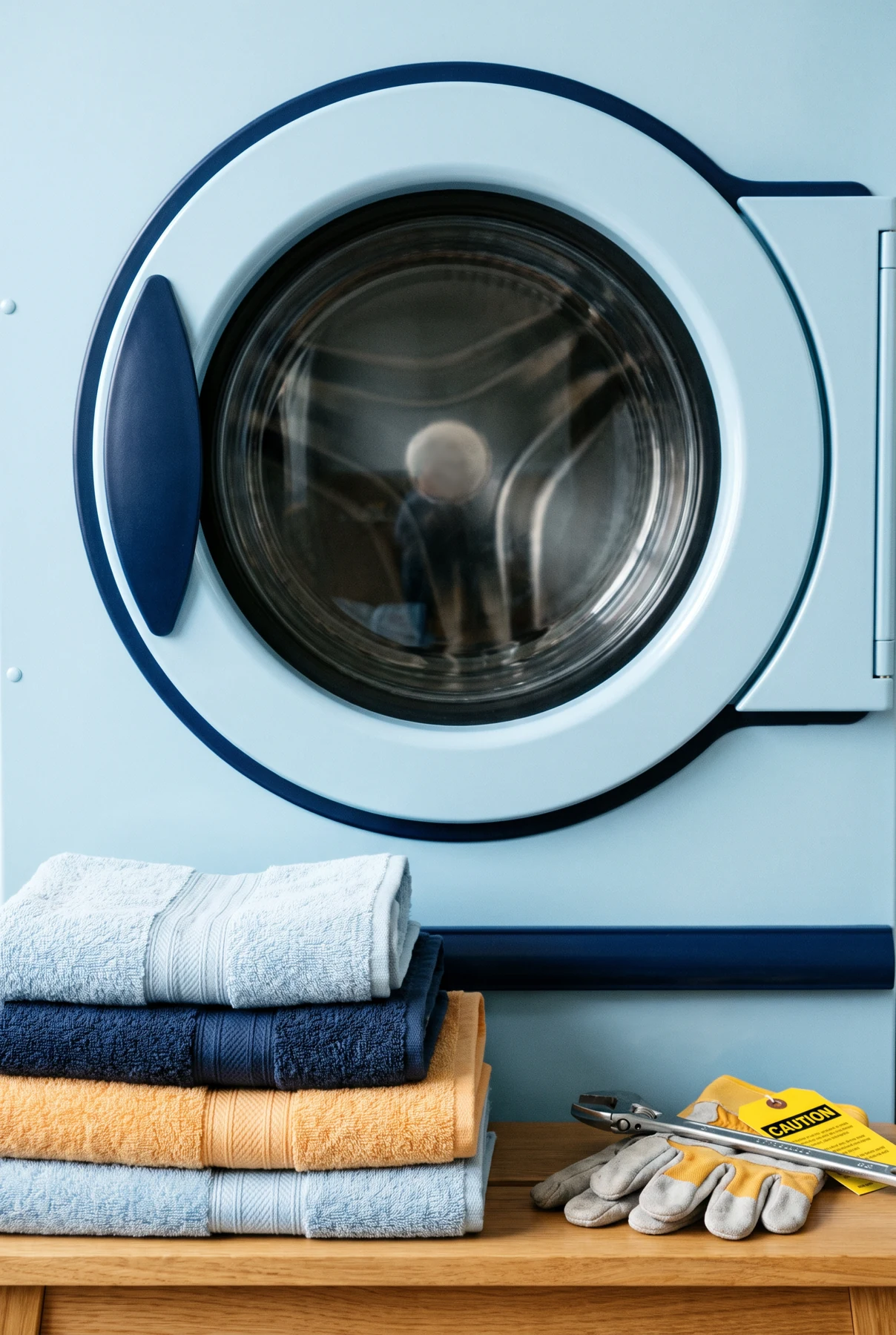
Record the model identifier, any displayed indicator, when temperatures seemed different, and what the manual says about normal operating sounds. Keep food safety guidance and the product manual at hand. Do not bypass alarms, safety devices, or electrical protection.
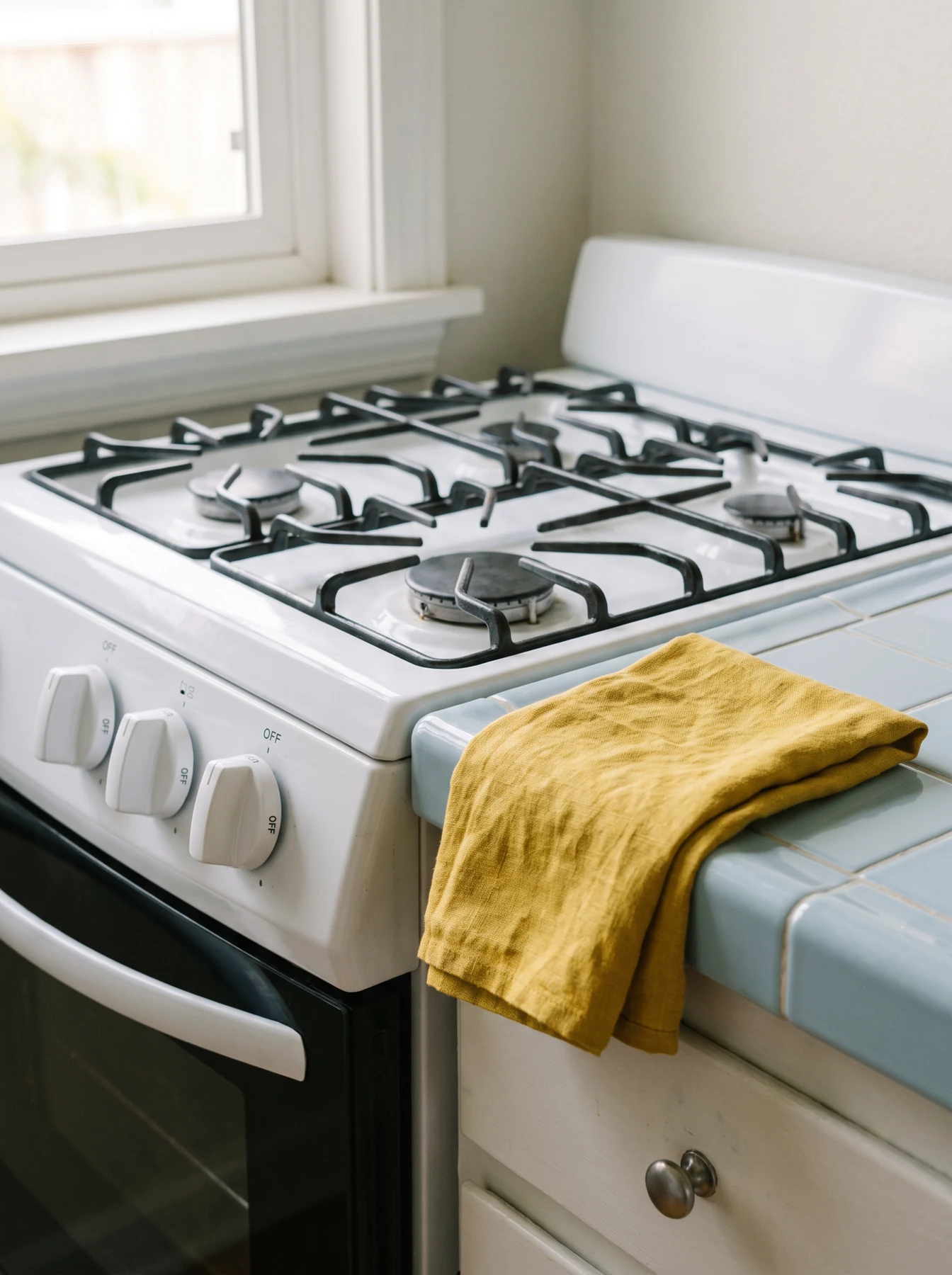
For a gas appliance, an unusual gas smell, damaged connection, or concern about combustion should move the decision away from self-work. Follow official local gas-safety guidance and the product manual. Do not test for leaks with a flame or make adjustments to gas components.
Do not remove covers, alter ventilation, or attempt work on gas, combustion, flue, or electrical elements. If you notice a gas odour, feel unwell, or suspect a combustion concern, follow local official safety advice immediately and involve the relevant utility or a qualified local professional.
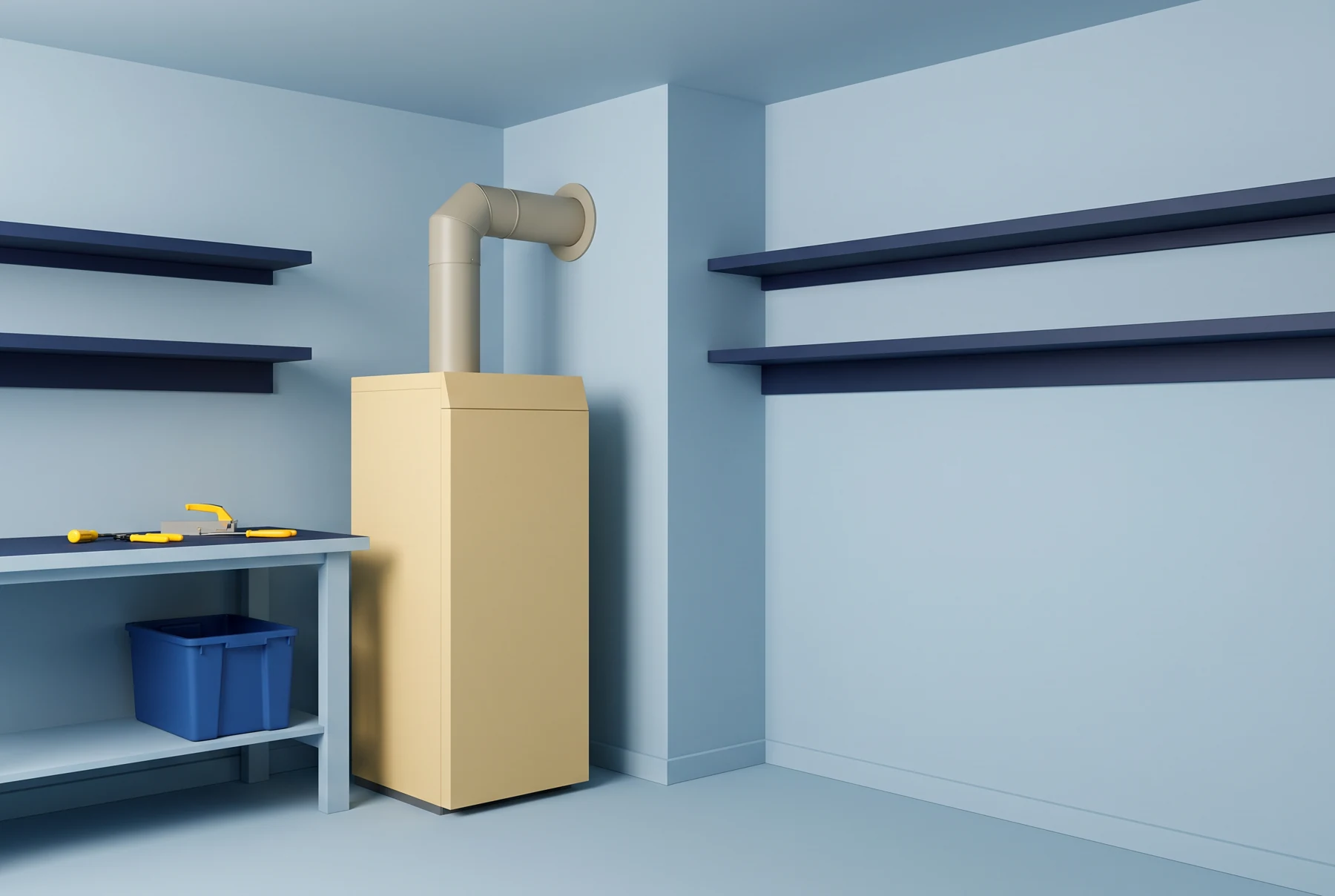
A boiler combines heat, water, electricity and, in many homes, fuel gas. The user manual may describe permitted user checks and indicator meanings. Anything beyond that boundary, including work inside the casing or on fuel and electrical systems, belongs with a qualified local professional.
Bench checklist
Smoke, a gas odour, scorching, an exposed electrical concern, active leaking near electrics, or signs of combustion trouble are not routine observation tasks.
Use a photo or a short note to preserve the exact model and any displayed text for the manual or qualified local professional.
Only follow user-care tasks that are expressly allowed for the exact appliance. Product documents overrule generic tips.
A simple timeline can distinguish a one-off observation from a repeated concern without assuming a cause.
For technical, fuel-gas, combustion or electrical work, consult the manual and select a qualified local professional.
Give hot, wet, electrical and fuel-gas equipment the unobstructed space specified by the manufacturer.
No cards match that filter. Choose another note category or clear the selection.

Manual margin
Keep the manufacturer name, exact model, serial reference where appropriate, installation documentation and owner’s manual together. Those details make it easier to find the correct official instructions and explain a concern clearly, without guessing at technical causes.
A stop-signals board
Individual manuals and local authorities should guide the next action. The general principle is simple: do not try to resolve a potentially serious fuel-gas, combustion, electrical, water or heat concern by trial and error.
A gas odour, fumes, soot, unusual flame appearance, or feeling unwell around a fuel-burning appliance calls for official local safety guidance and qualified assistance.
Scorching, sparking, damaged wiring, shock, or moisture around electrical parts should not be handled as a routine household task.
Significant leaking, very hot water, pressure concerns, or hot surfaces near vulnerable materials deserve a pause and the appropriate professional input.
Repeated alarms, breakers, error messages or shut-offs are information, not an invitation to defeat or bypass a protective function.
A useful household record
Photograph a model label if it is accessible without moving panels, and note dates, indicators, locations and changes. Avoid using a device in a way that ignores the manual or masks a safety warning. Clear records support safer conversations.
Make a private draft note
Around the appliance
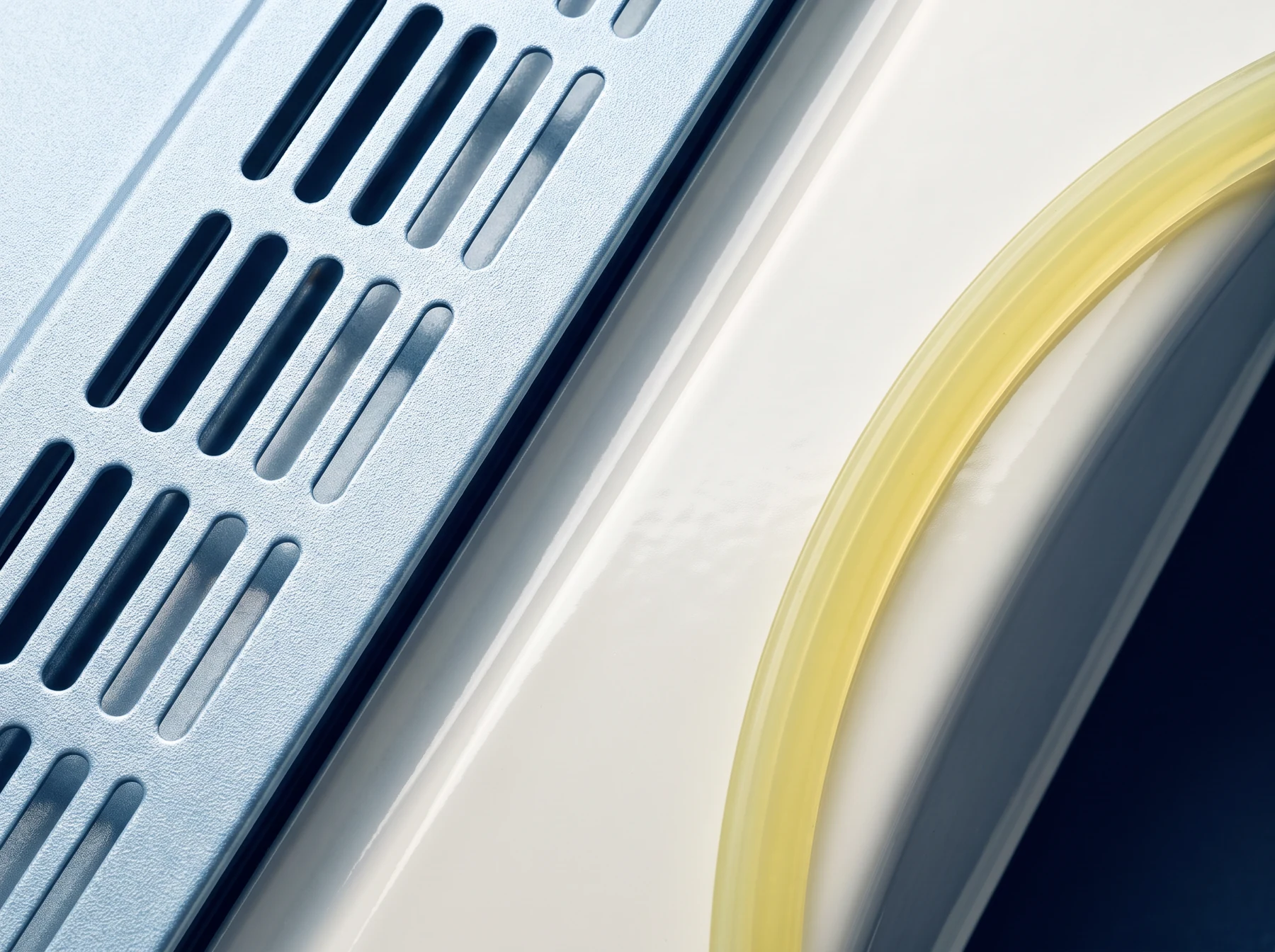
Ventilation openings, clearances, access points and cleaning methods are model-specific. Use the manufacturer’s language rather than assumptions. Do not cover vents, introduce unsuitable materials, or alter protective components in an attempt to change appliance behaviour.

Care notes, with limits
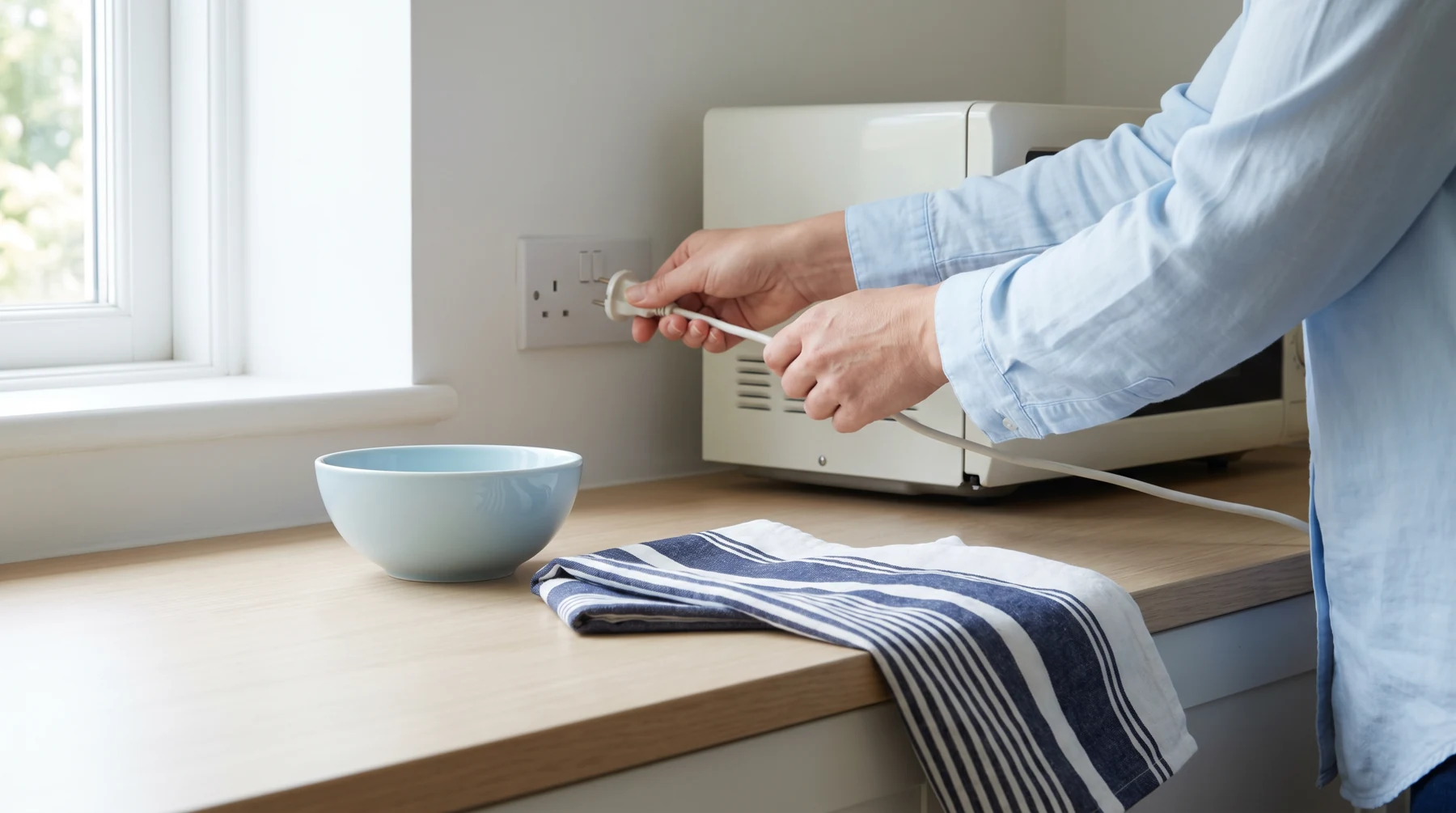
Instructions differ by surface, fuel and appliance. A cloth, approved cleaner and safe isolation step may be appropriate only when the manufacturer says so. Avoid harsh methods, moisture near electrical parts, or cleaning around hot equipment until the manual confirms what is allowed.
One-page reference
A compact way to organise information before reviewing a manual or contacting a qualified local professional.
Workshop questions
General information can make the next safe step more legible. It cannot replace documentation, an inspection, local rules or qualified technical work.
Private bench draft
This form stays in this browser. It does not send a request, create a job, arrange a visit or offer technical guidance. Use it only as a personal draft to bring to the manual or a qualified local professional.
General website feedback: [email protected]
A final margin note